
Solid wood furniture: Which type of wood suits you? Find out everything about appearance, quality, sustainability and the best types of wood for your home.
Which wood is best for solid wood furniture?
Are you looking for new furniture for your home? Then it is definitely worth familiarising yourself with the different types of wood. They are not only decisive for the appearance of your furniture, but also for its quality and longevity. In this article, you will learn how to identify different wood types, which ones are particularly well suited for furniture making, and which wood best matches your personal taste.
How do you recognise different types of wood?
The variety of wood types is impressive, and each has its own characteristic features. If you want to know which type of wood a piece of furniture is made from, there are a few things to look out for.
Colour: Each type of wood has its own colour palette, ranging from creamy white to dark brown. The colour also depends on which part of the tree the wood comes from. Darker parts from the core or lighter parts from the outer section of the tree (sapwood) can be used. The furniture oil or stain also influences the colour. Natural oil makes the original colour slightly darker. Light oils brighten the wood further, while stains or glazes give the wood a specific colour.
Grain pattern: The structure of the wood is another important identifying feature. The wood can have a prominent grain with visible annual rings, or a finer, more subtle grain. In some wood types, knots and branches are considerably more visible than in others.
Every piece of wood is unique and differs from the next. Within the same wood type, differences can occur, particularly in the grain, but also in colour.
Density and hardness: A distinction is made between hardwood and softwood. Softwood is easier to shape and work with, and is also slightly lighter than hardwood. This does not mean that softwood furniture lacks durability. With quality craftsmanship, high-grade furniture can also be made from softwood. Pine is a prime example — it has been used for furniture making for centuries.
For reference, we have compiled a table of the most commonly used furniture wood types. We focus exclusively on European woods here, as similar American and Canadian species differ from their European counterparts in terms of colour and grain.
Comparison of wood types
| Wood type | Sapwood | Heartwood | Grain | Hardness |
|---|---|---|---|---|
| Oak | Light brown | Brown | Subtle grain | Very hard |
| Ash | Light brown with a whitish tone | Light brown with a yellowish tone | Medium grain with strongly pronounced annual rings | Hard |
| Beech | Light brown with a reddish tone | Brown with a reddish tone | Even and subtle grain | Very hard |
| Pine | White with a slightly yellowish tone | Light brown with a reddish tone | Pronounced grain with darker annual rings | Soft |
| Maple | Creamy white | Creamy white | Even and subtle grain | Hard |
| Birch | Creamy white, older wood takes on a yellowish hue | Creamy white, older wood takes on a yellowish hue | Subtle grain with slightly visible annual rings | Hard |
| Walnut | Dark brown | Dark brown | Pronounced, very dark grain | Hard |
What is solid wood?
Solid wood refers to wood products made from a single species of wood with minimal mechanical or chemical processing. Solid wood is therefore wood in its natural form, as opposed to wood-based panels or composite materials, which consist of multiple layers or particles. At ekomia, we use solid wood with a low formaldehyde-free glue content of less than 1%.
Compared to panel materials such as chipboard, solid wood lasts longer, is easier to repair, and has a natural beauty all of its own.
When is wood sustainable?
FSC- or PEFC-certified wood comes from forests where strict rules apply regarding nature conservation and the preservation of biodiversity. Unlike non-certified wood, it is ensured that only as much wood is harvested as can naturally regrow.
Using certified wood offers several benefits. It contributes to forest conservation by reducing deforestation and protecting the natural habitats of animals and plants.
FSC certification also includes social standards: it requires controlled working conditions and fair remuneration throughout the supply chain.
By choosing FSC- or PEFC-certified wood, you are helping to ensure that forests are managed responsibly and that stocks are preserved for the long term.
Overview of the wood types we use at ekomia
There is a wide variety of wood types used in furniture manufacturing. Each species has its own unique properties and offers different aesthetic possibilities. At ekomia, we work with six different wood types. Here is an overview:
Pine

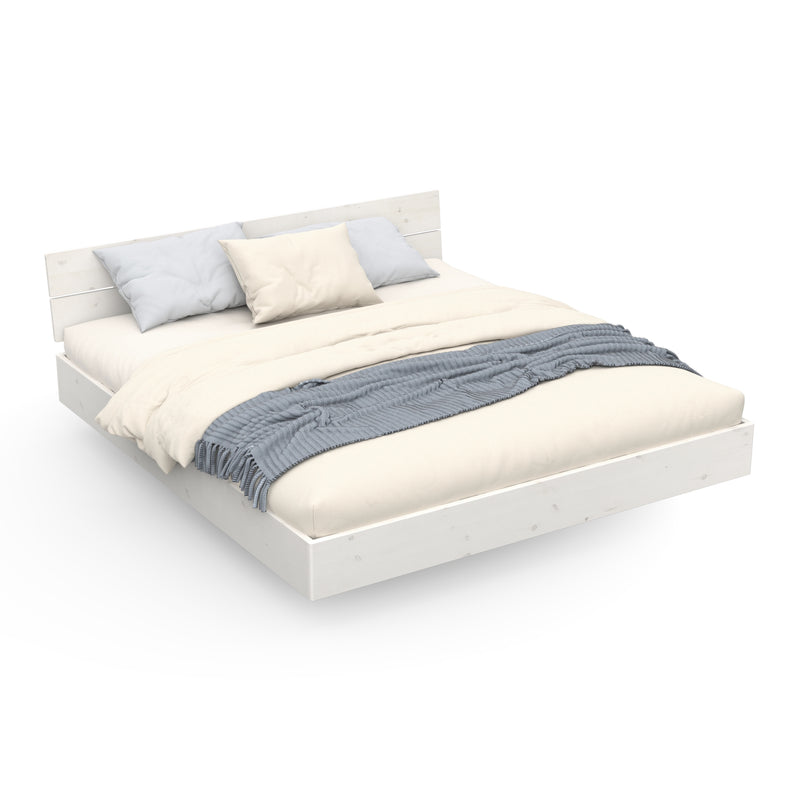
Pine is known for its natural beauty and warm character. It has a very light colour with a prominent grain. Over time, it darkens considerably, giving the wood a rustic charm. Pine is a soft, relatively affordable solid wood. It is light yet sturdy, making it a popular choice for furniture, particularly in the country house style. For pine, we use a plant-based white glaze, as pine — unlike hardwoods — absorbs colour pigments particularly well. Using pine, we developed our Scandinavian Collection — white furniture in a pure Scandinavian style.
Oak

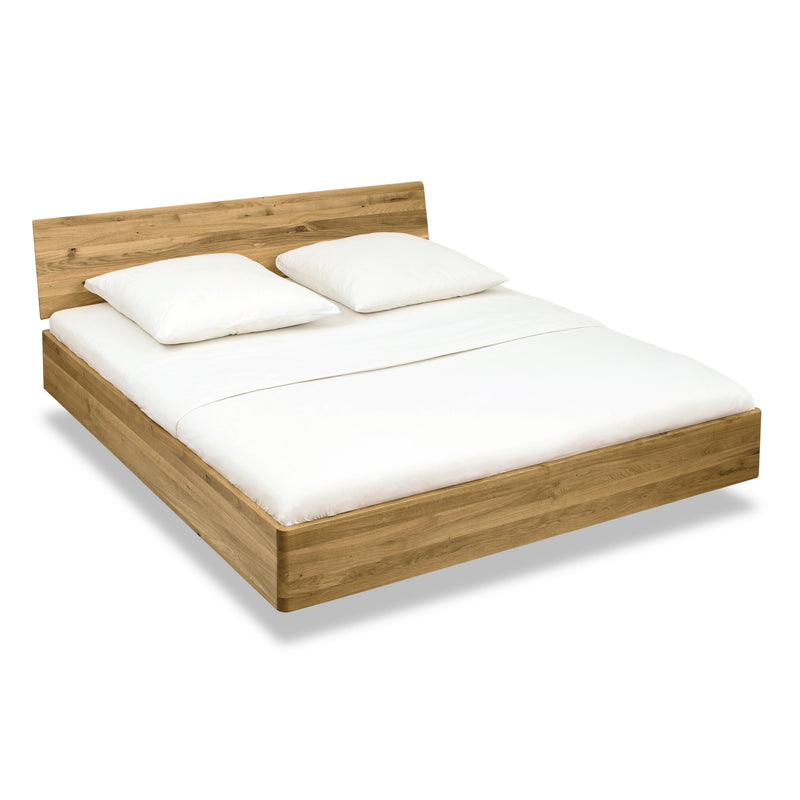
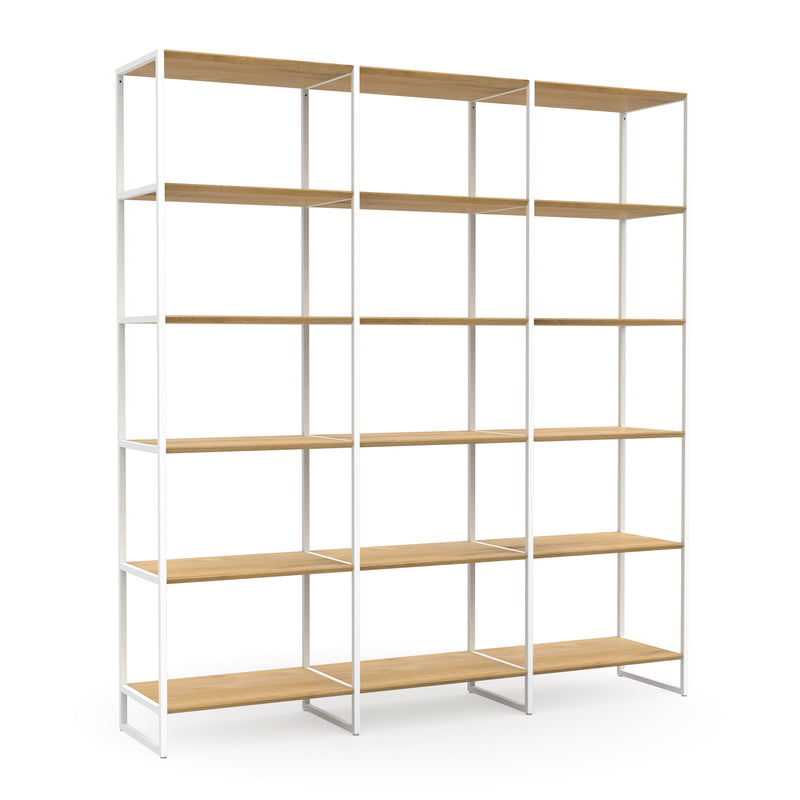
Oak is one of the most well-known wood types, valued for its strength and durability. Oak wood has a light brown to dark brown colour with a subtle grain and only small knot inclusions. When freshly cut, it is considerably lighter — a tone that can be preserved using a light furniture oil. Oak forms the foundation of our Cosmic Collection, a successful combination of wood and metal.
Rustic oak
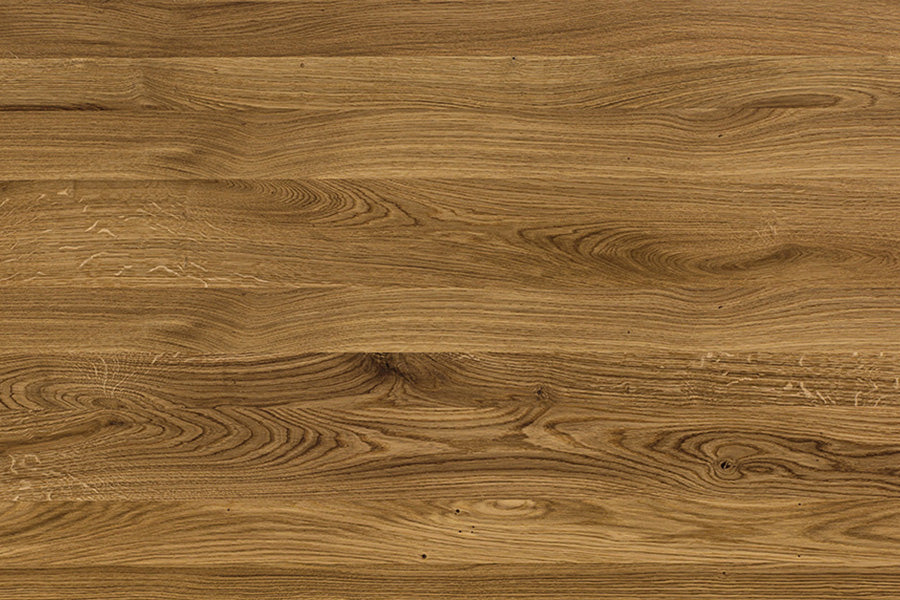
Rustic oak (or knotty oak), also known as character oak, displays a lively grain with knot holes and natural markings. During wood grading, darker sections are preferentially selected for rustic oak. The dark colour and distinctive grain give the wood a rustic, authentic character. Our Berlin Collection is crafted from rustic oak.
Ash

Ash is characterised by its light, yellowish colour and fine grain, making it ideal for crafting furniture in beige tones. It is a medium-hard wood with notable elasticity. At ekomia, ash is used among other things for our custom-made tables.
Beech

Beech is known for its warm, reddish colour and even, fine grain. It is a hard wood with high density and excellent durability. It offers outstanding value for money, as it is one of the most affordable hardwoods available.
Heart beech

Heart beech refers to the heartwood of the beech tree, which forms in older specimens. It features a more intense colour and a distinctive grain. Beech furniture is timeless and suits a wide range of interior styles, from classic to contemporary. We use both beech and heart beech for tables and table tops.
Walnut

Walnut is renowned for its dark, sophisticated appearance. It has a rich brown colour with a striking grain and is often characterised by natural features such as swirls and colour variations. Walnut lends furniture an air of elegance and is considerably more expensive than other wood types. We use walnut for tables and table tops.
Each of these wood types has its own advantages and suits different tastes and styles. By understanding the properties of the various wood types, you can make the right choice for your furniture and create a warm, inviting home.
If you own a piece of solid wood furniture that has accumulated unsightly scratches or stains over time, we recommend reading our article with practical tips for caring for solid wood furniture.
Matching Products
Have we piqued your interest? You can find matching products here.


Comments
Do you have any questions or comments on this topic? Write a comment, we will be happy to answer.