Steel

Steel gives furniture a clean, modern look – especially when powder-coated. It is durable, recyclable and allows for delicate constructions with high stability. Ideal for minimalist designs or functional solutions such as height-adjustable tables.
How is steel finished for furniture?
Steel can be treated in many ways – for example by lacquering, powder coating, galvanising, or polishing. Hot-dip galvanising is also a common method for ensuring corrosion protection.
While untreated steel rusts when exposed to moisture, an appropriate surface treatment provides effective corrosion protection. Stainless steel, by contrast, is particularly resistant to corrosion due to its alloy composition and can even be used outdoors.
In interior applications, steel is most commonly powder coated. A coloured plastic powder is electrostatically charged onto the metal and sprayed on evenly. The coated part is then heated in an oven, causing the powder to melt and form a highly uniform, firm and resilient layer.
Powder-coated steel is available in gloss, matt, or textured finishes – with the textured coating often offering slightly greater resistance.
What effect does steel have in furniture?
Coated steel and stainless steel give furniture a clean, contemporary presence. The cool, smooth surface reads as refined and understated – ideal for minimalist or industrial interior styles.
Powder coating allows for virtually any colour choice, opening up considerable design freedom. In practice, however, timeless tones such as white and black tend to dominate.
The matt or satin-matt surface of coated steel reflects little light, lending furniture a calm, grounded presence. Stainless steel, by contrast, has a subtle sheen that feels refined and almost weightless.
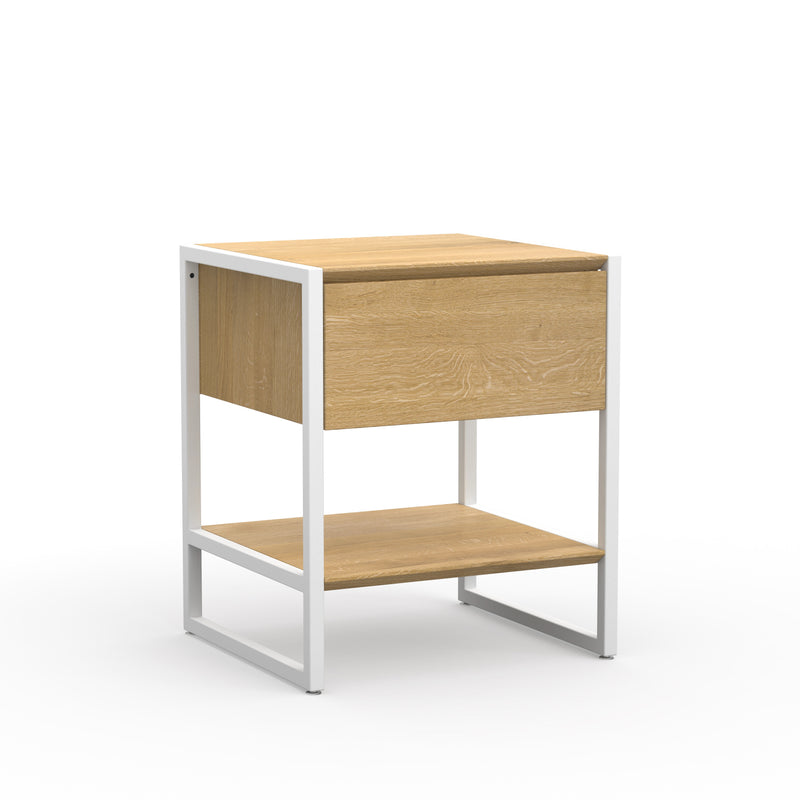
Combined with warm natural materials such as wood, steel creates a compelling modern contrast – pairing clean lines with natural warmth.
Overall, steel in furniture design reads as clear, contemporary, and long-lasting – a contrasting material that complements natural elements and creates a sense of considered tension.


Environmental profile of steel
Steel is a recyclable material and plays a central role in the circular economy. While its production is energy-intensive, steel can be reused almost indefinitely without any loss of quality – making it valuable from a long-term environmental perspective.
1. Raw material sourcing
Steel is produced from iron ore, which is available in large quantities worldwide. However, extraction and processing involve high energy consumption and significant emissions. Advances in lower-emission steel production – for example using hydrogen instead of coal – are gradually improving the balance. These developments are still in their early stages: in Germany, the steel industry plans to transition only around one third of primary steel production to hydrogen-based processes with significantly lower CO₂ emissions by 2030.
2. Processing and energy input
Steel production is more energy-intensive than working with wood or other natural materials. Blast furnaces and casting processes consume large amounts of energy. Nevertheless, steel is valued as a long-lasting, recyclable material – particularly when produced from secondary raw materials.
In the EU, 40–45% of steel production comes from recycled steel (secondary steel), which requires up to 75% less energy than primary steel.
Regional production and short transport distances can further reduce the CO₂ footprint.

3. Durability
Steel is extremely resilient and long-lasting. Furniture and structures made from steel can last for decades to centuries. Thanks to its weather resistance and mechanical strength, steel is particularly well suited to high-demand applications.
4. Reusability
Steel is one of the most widely recycled materials in the world. After use, it is melted down and processed into new products. Almost 90% of structural steel in Europe comes from recycling processes. Steel furniture can also be disassembled and recoated or repurposed.
Technical properties of steel
| Property | Value |
|---|---|
| Material type | Metal |
| Density | 7.85 g/cm³ |
| Compressive strength | 250 – 400 N/mm² (depending on alloy) |
| Bending strength | High, depending on processing |
| Hardness | Brinell: 120 – 200 HB (can vary considerably) |
| Modulus of elasticity | ~210,000 N/mm² |
| Resistance | Very high against mechanical stress |
| Weather resistance | Only with surface treatment or stainless steel |
| Colour | Untreated: silver-grey to black |
| Workability | Very good, though specialist tooling required |
| Applications | Furniture, construction, tools, machinery |
Steel at ekomia
While steel's high energy demand in production comes with certain drawbacks, we use it deliberately – primarily for its robustness, longevity, and excellent recyclability.
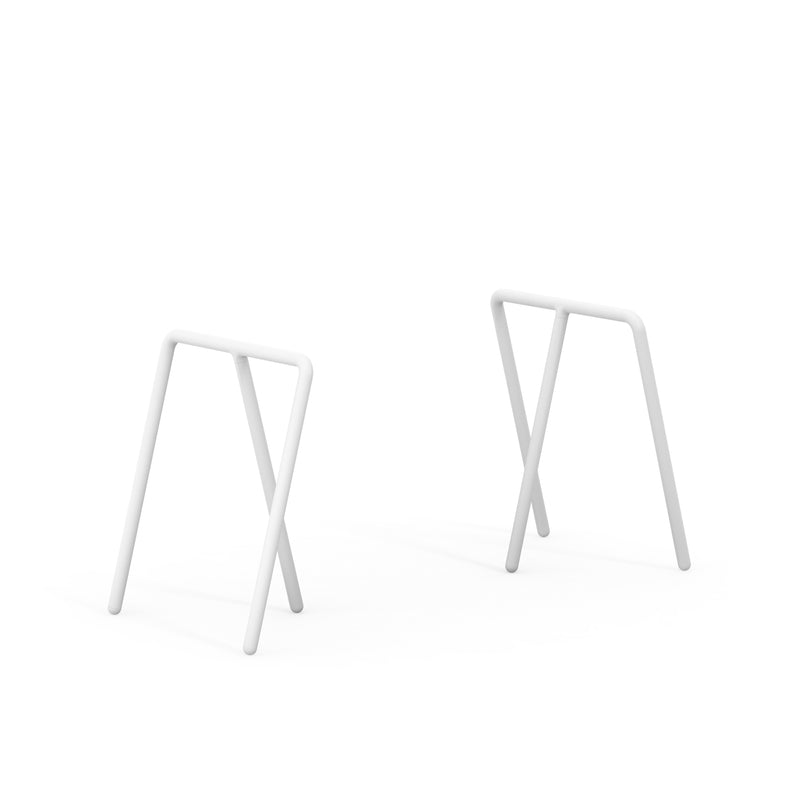
Thanks to its high strength, steel can be worked into far slimmer profiles than, for example, wood. This allows for furniture with a particularly light, delicate appearance while maintaining high structural stability. Our Cosmic collection is a good example of this.
Steel also enables furniture constructions that would be difficult or impossible to achieve with other materials – such as height-adjustable desks or exceptionally load-bearing frames.
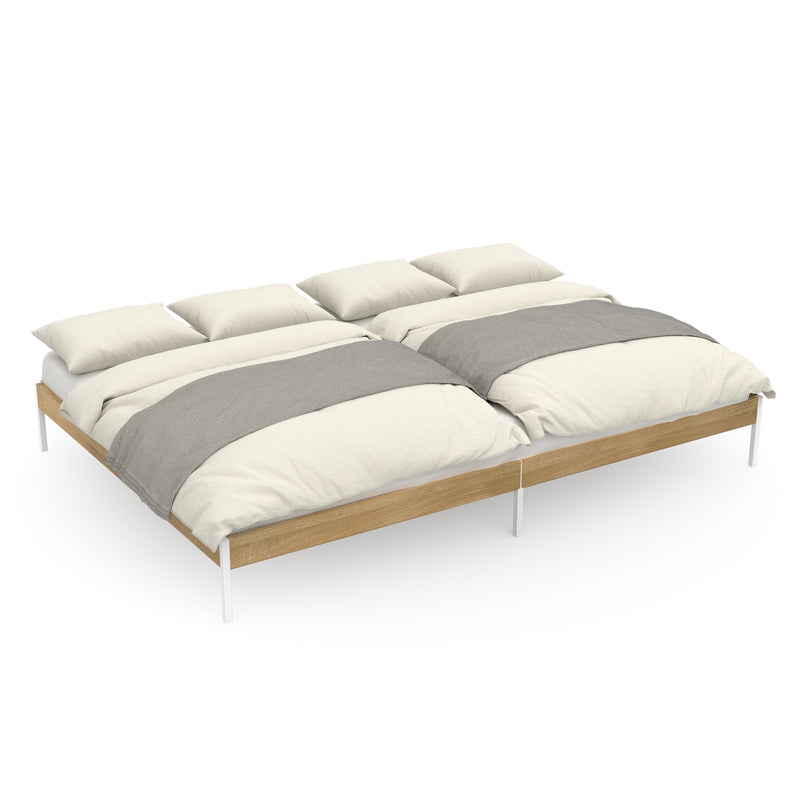
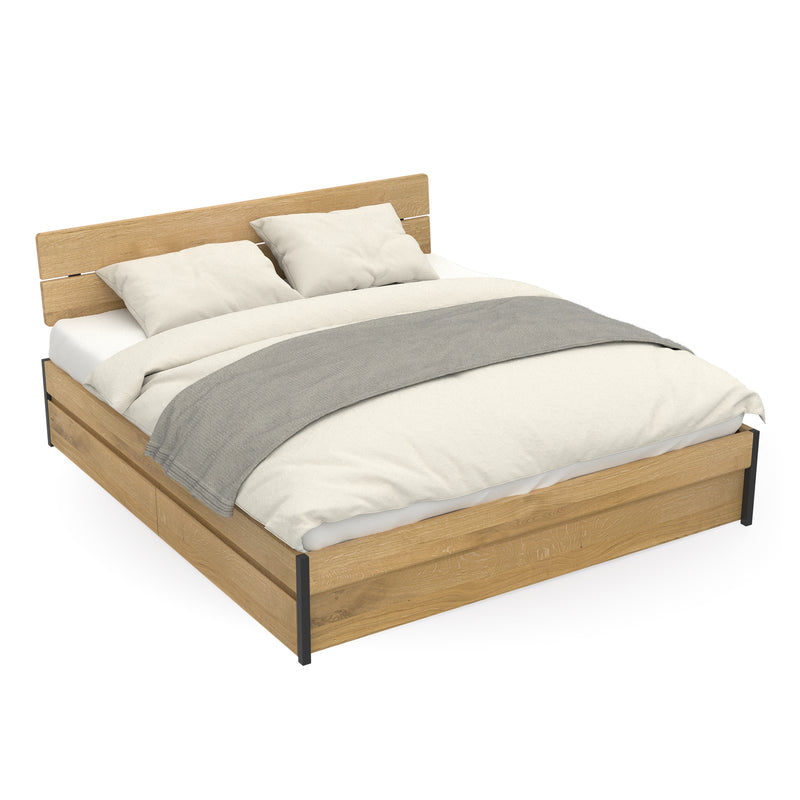
We use exclusively powder-coated steel, which is durable and easy to care for. We particularly enjoy combining it with natural solid wood – for a warm, contemporary material contrast.

Questions & answers for Steel
Here we answer some questions about Steel that are frequently asked by other users.
Matching Products
Have we piqued your interest? You can find matching products here.





Do you still have any questions?
Do you have any questions or comments on this topic? Write a comment, we will be happy to answer.