Cotton

Cotton is a soft, breathable natural fibre from the seed hairs of the cotton plant. It is versatile, biodegradable and skin-friendly. Organic cotton is particularly sustainable – free from chemicals and grown under fair conditions.
What is cotton?
Cotton is a soft, natural plant fibre obtained from the seed hairs of the cotton plant. It is breathable, skin-friendly, and highly versatile.
It is used in clothing, home textiles, dressings, upholstery, and many other textile products. As a renewable raw material, it is biodegradable and one of the most important natural fibres in the world.
How is cotton produced?
The cotton plant is grown primarily in warm, dry regions. After harvesting, the fibres are separated from the seeds (ginning), cleaned, sorted, and spun into yarn. Further processing steps depend on the intended application – from weaving through to dyeing.


Environmental profile of cotton
Cotton is a renewable raw material grown worldwide. Organically grown cotton is produced without synthetic pesticides or artificial fertilisers.
1. Raw material sourcing
Conventional cotton farming requires large amounts of water and is often reliant on chemical inputs. Organic farming prioritises natural soil care, crop rotation, and gentle harvesting methods – protecting both the environment and the health of farmers.
2. Processing and energy input
The processing of cotton into yarn and fabric is predominantly mechanical. In organic textile production, certified standards are also maintained – for example in dyeing and finishing.
Transport and global supply chains can have a negative impact on the climate balance. Regional or certified suppliers help to improve this.

3. Durability
Cotton is characterised by its high tensile strength and resilience. Depending on the weave and processing, it is very long-lasting and remains dimensionally stable with proper care.
4. Reusability
Cotton textiles can be recycled effectively – for example into new yarns or as insulation material. Pure cotton fabrics can also be composted or thermally recovered.
5. Biodegradability
Untreated cotton is biodegradable and breaks down completely under natural conditions – without leaving residues or pollutants.
Technical properties of cotton
| Property | Value |
|---|---|
| Material type | Plant fibre |
| Density | approx. 1.54 g/cm³ |
| Compressive strength | Low |
| Bending strength | Low to medium |
| Hardness | Soft |
| Elasticity | Limited – prone to creasing |
| Resistance | Resistant to heat; less resistant to moisture and mould |
| Weather resistance | Limited (primarily suitable for indoor use) |
| Colour | White to cream (raw) |
| Workability | Very good – easy to spin and dye |
| Applications | Clothing, bed linen, upholstery fabrics, hygiene products |
Cotton at ekomia
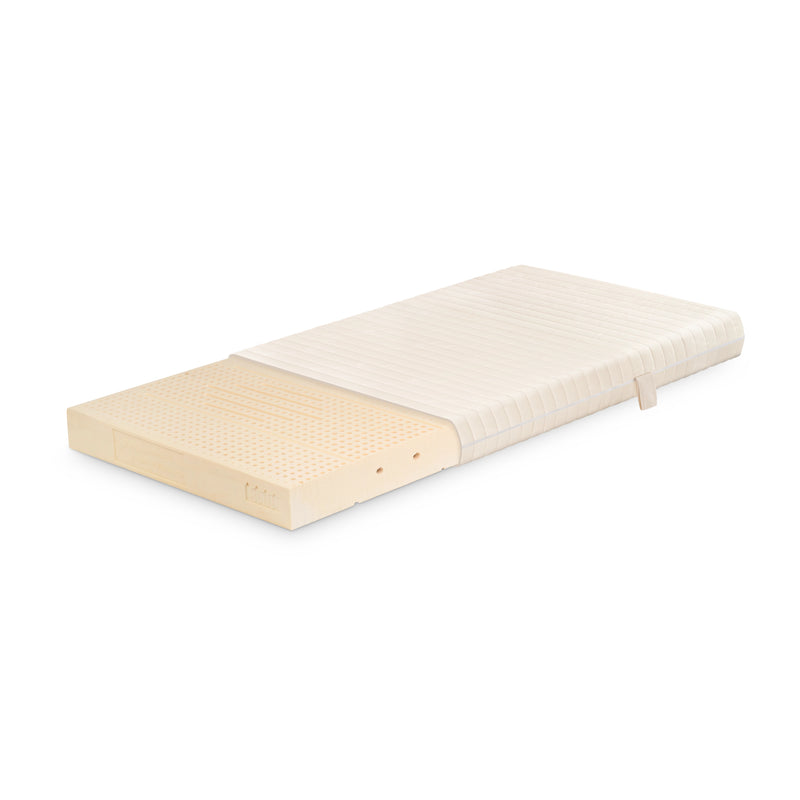
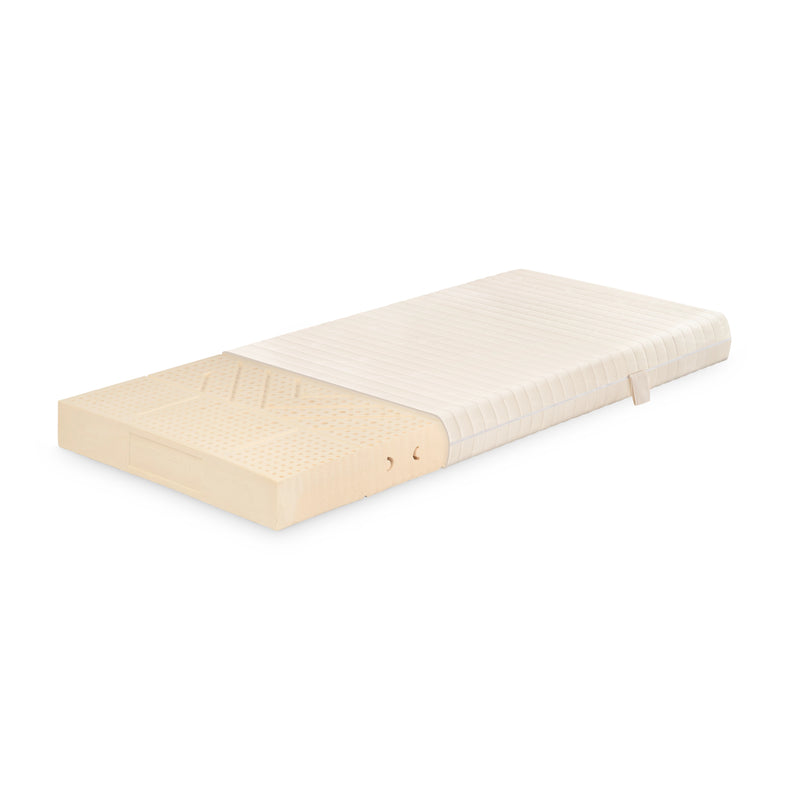
Cotton is an essential component of our textiles. Its skin-friendly and breathable properties make it ideal for use in bed linen, mattress covers, and upholstery materials.
We use exclusively certified organically grown cotton (kbA), produced without harmful chemicals and under controlled, certified conditions.
This allows us to create durable, vegan products based on certified raw materials.

Questions & answers for Cotton
Here we answer some questions about Cotton that are frequently asked by other users.
Matching Products
Have we piqued your interest? You can find matching products here.





Do you still have any questions?
Do you have any questions or comments on this topic? Write a comment, we will be happy to answer.